Water Info

Understanding Your Water: Surface Water vs. Ground Water
Surface Water
Surface water is found in rivers, lakes, reservoirs, and other surface impoundments. It is often lower in mineral content and is sometimes referred to as “soft water,” although this is not always accurate.
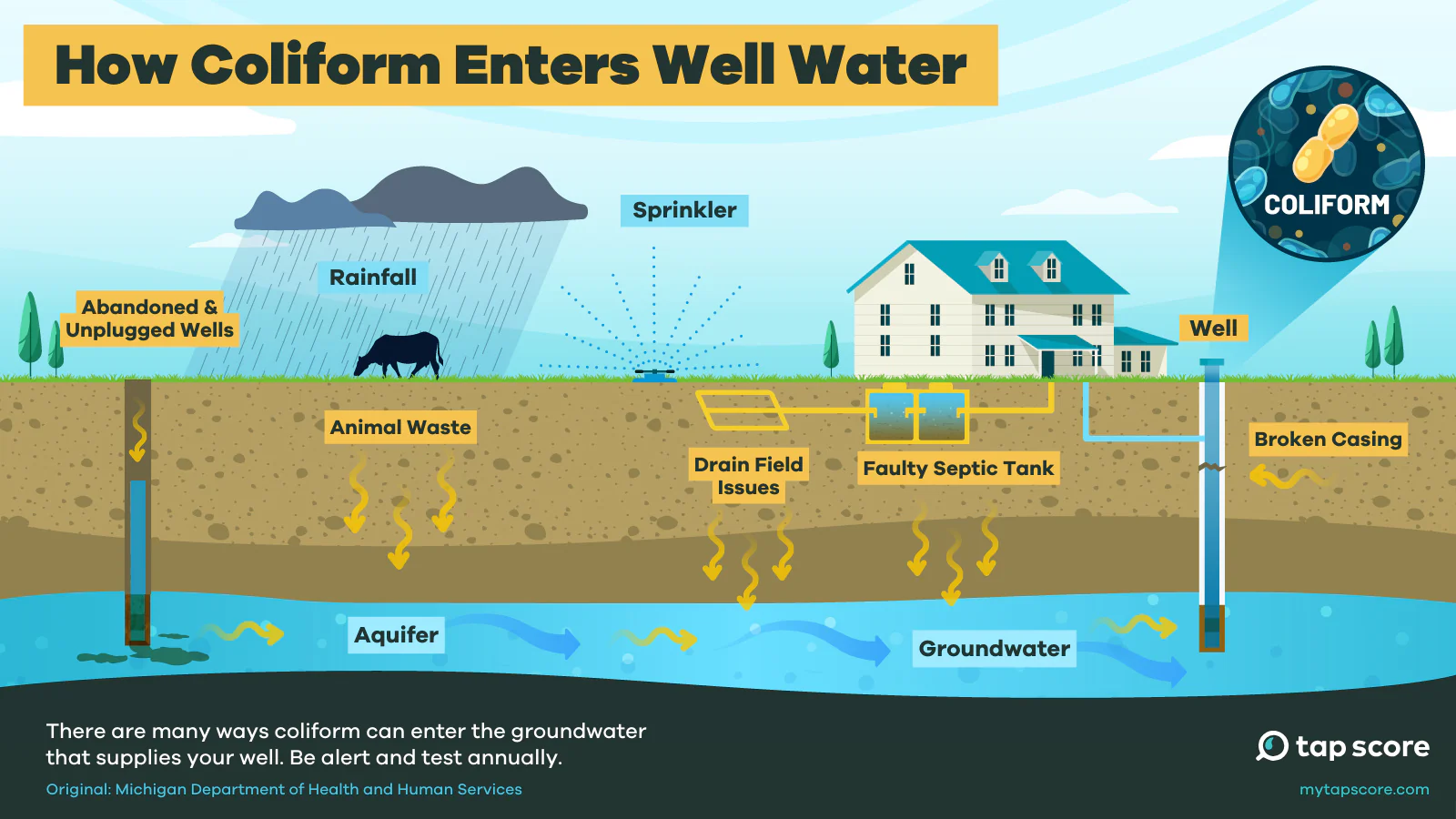
Because surface water is exposed to the environment, it is more susceptible to contamination, including:
- Animal waste
- Pesticides and insecticides
- Industrial runoff
- Algae and organic matter
Even water from a pristine mountain stream can contain Giardia or coliform bacteria from wildlife and should always be properly treated or disinfected before drinking.
Ground Water
Ground water is water that is stored beneath the earth’s surface, typically accessed through wells. It is replenished by rain, melting snow, and surface water that seeps into the ground.
As water travels underground, it dissolves minerals and elements from surrounding soil and rock. Because water is a natural solvent, it gathers small amounts of whatever it contacts over time.
Ground water may contain:
- Dissolved minerals such as calcium and magnesium
- Iron and manganese
- The same contaminants found in surface water
When calcium and magnesium exceed certain levels, the water is considered hard water. In areas rich in limestone, gypsum, or similar rock formations, well water is often very hard and requires treatment.
Why Water Source Matters
Because surface water and ground water have very different characteristics, proper water treatment starts with knowing your water source. The right system depends on what contaminants and minerals are present.
To put water availability into perspective:
- Only 3% of Earth’s water is fresh
- Nearly 75% of that fresh water is frozen
- Less than 0.5% is underground
- An even smaller fraction is found in lakes and streams
- The human body is approximately 70% water
- You can survive only a few days without it
Your water quality matters—to your health, your home, and your everyday life.
Want to Know What’s in Your Water?
Pure Flow Water Company offers certified water testing to identify minerals, contaminants, and potential issues based on your water source.